




Mombasa, 21 January 2026
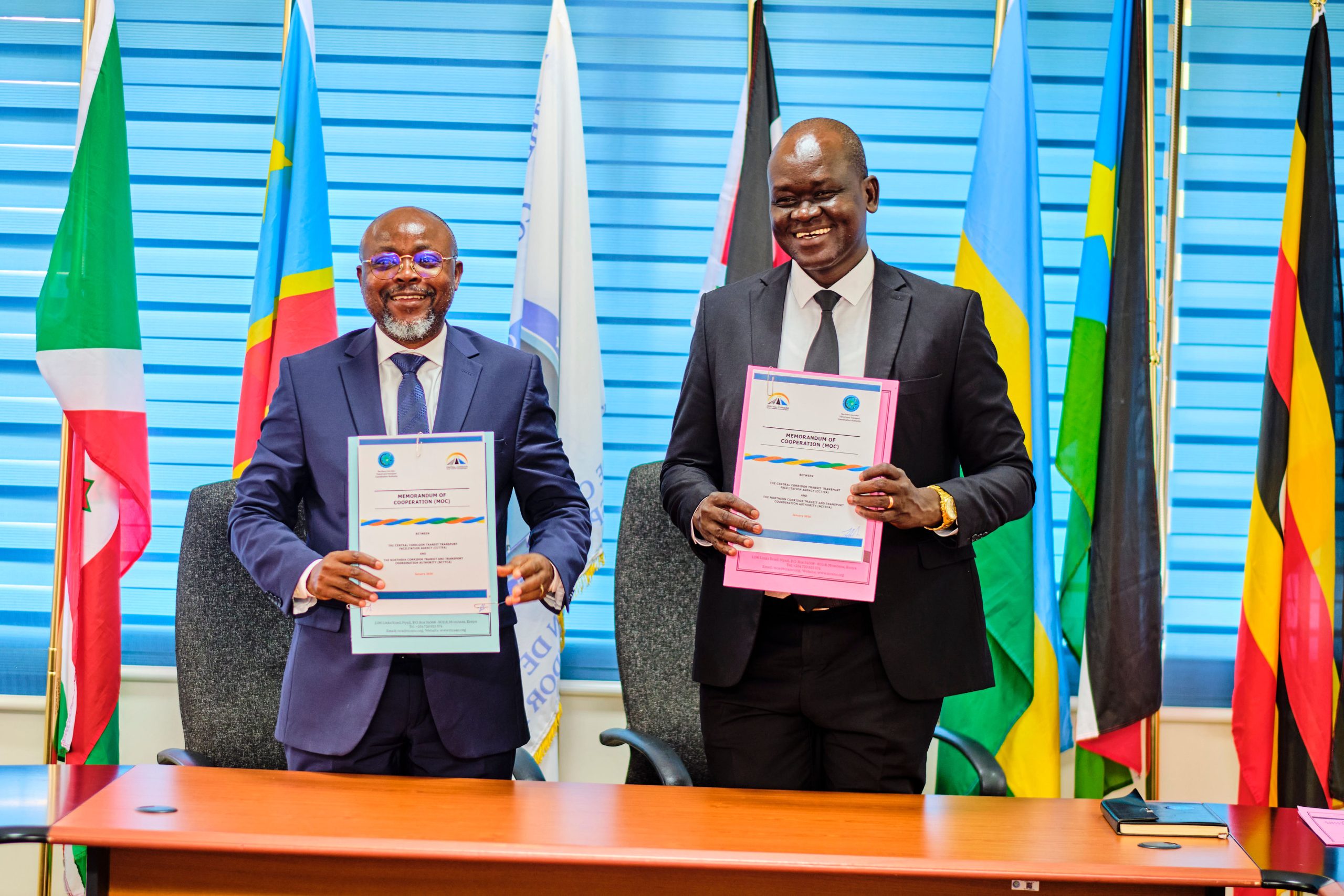
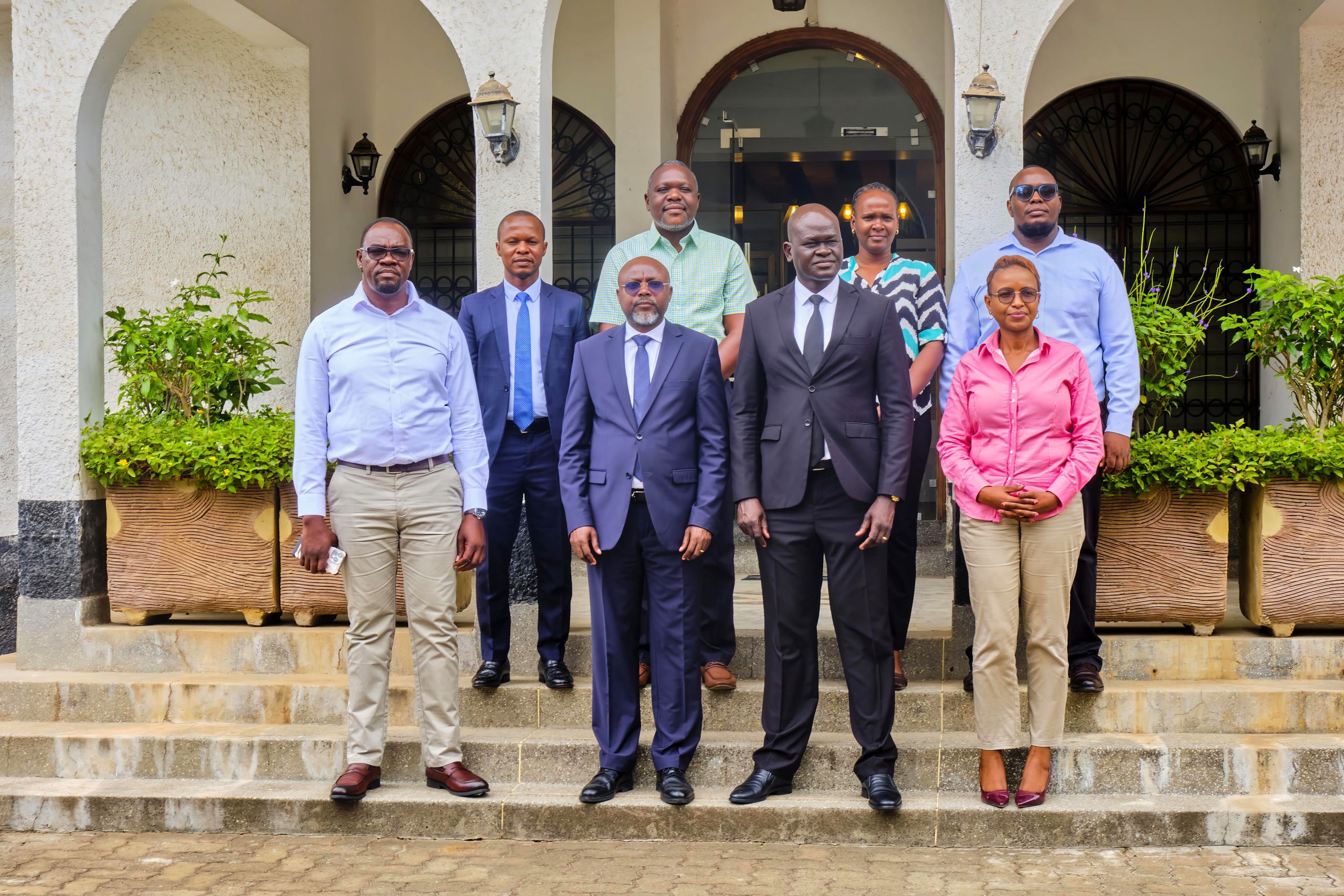
Adv. Okandju Okonge Flory, The Executive Secretary of the Central Corridor Transit Transport Facilitation Agency (CCTTFA) and Dr John Deng Diar Diing the Executive Secretary of the Northern Corridor Transit and Transport Coordination Authority (NCTTCA) have inked a Historic Memorundum of Coorperation today 21st January 2026, in Mombasa during the working visit of the Central Corridor delegation to their Counterpart Northen Corridor.
The Signed Memorandum of Cooperation (MoC) has established a framework for cooperation between NCTTCA and CCTTFA for the joint implementation of targeted actions aimed at facilitating transport and trade within their respective Member States, including policy coordination, joint programms, pilot initiatives, and coordinated investment planning as part of ongoing efforts to strengthen cooperation between Africa’s key regional transport corridors.
During the visit, the Executive Secretary of CCTTFA held high-level and technical discussions with his counterpart, the Executive Secretary of NCTTCA, aimed at deepening the strategic partnership between the two Corridor Institutions. The engagements focused on identifying areas of synergy, sharing experiences, and benchmarking best practices that can enhance the efficiency, sustainability, and competitiveness of the Central Corridor.
It may be recalled that the Central Corridor serves seven Member states of the Republic of Burundi, the Democratic Republic of the Congo (DRC), the Republic of Malawi, the Republic of Rwanda, the United Republic of Tanzania, the Republic of Uganda and the Republic of Zambia through integrated multi-modal transport and logistics network that connects its Member States to the sea through the Port of Dar es Salaam, Tanga and Mtwara whereas Northen Corridor’s Six member states comprising of Burundi, the Democratic Republic of Congo, Kenya, Rwanda, South Sudan, and Uganda linked by multimodal surface transport system with the Kenyan seaport of Mombasa. Four of the meember states overlap between the two Corridors.
The visit was anchored on the shared mandate of CCTTFA and NCTTCA to promote efficient, safe, and sustainable transport and trade facilitation within the region recalling the Agreements establishing CCTTFA and NCTTCA, which mandate them to coordinate, harmonize, and facilitate transport and trade among their respective Member States. Both institutions acknowledged that the Central and Northern Corridors are critical arteries for regional trade, transit, and logistics, linking land-linked countries and coastal states to regional and international markets.
A key milestone of the visit was the signing of a Memorandum of Cooperation (MoC) between the two Executive Secretaries where Under the MoC, CCTTFA and NCTTCA agreed to collaborate and jointly implement actions in the following priority areas:
- Inland waterways transport
- Transformation of transport corridors into green economic development corridors
- Infrastructure development and multimodal integration
- Digitalization, data sharing, and monitoring
- Environmental sustainability and climate resilience
- Capacity building and private sector engagement
- Harmonization of transport and trade policies and regulations
- Harmonization and simplification of customs and trade facilitation processes and procedures
- Monitoring and reporting on non-tariff barriers (NTBs)
- Road safety programmes, roadside stations, and One-Stop Border Post (OSBP) development projects
- Resource mobilization and coordination for the implementation of joint activities
The collaboration will also encompass the sharing of experiences and exchange of information, as well as the strengthening of human and institutional capacities within the two organizations and their respective Member States.
Both Executive Secretaries reaffirmed their commitment to translating the MoC into practical, results-oriented cooperation that will enhance corridor performance, reduce the cost of doing business, and contribute to regional integration and sustainable economic development.