


Dar es Salaam, Tanzania | 30 July 2026
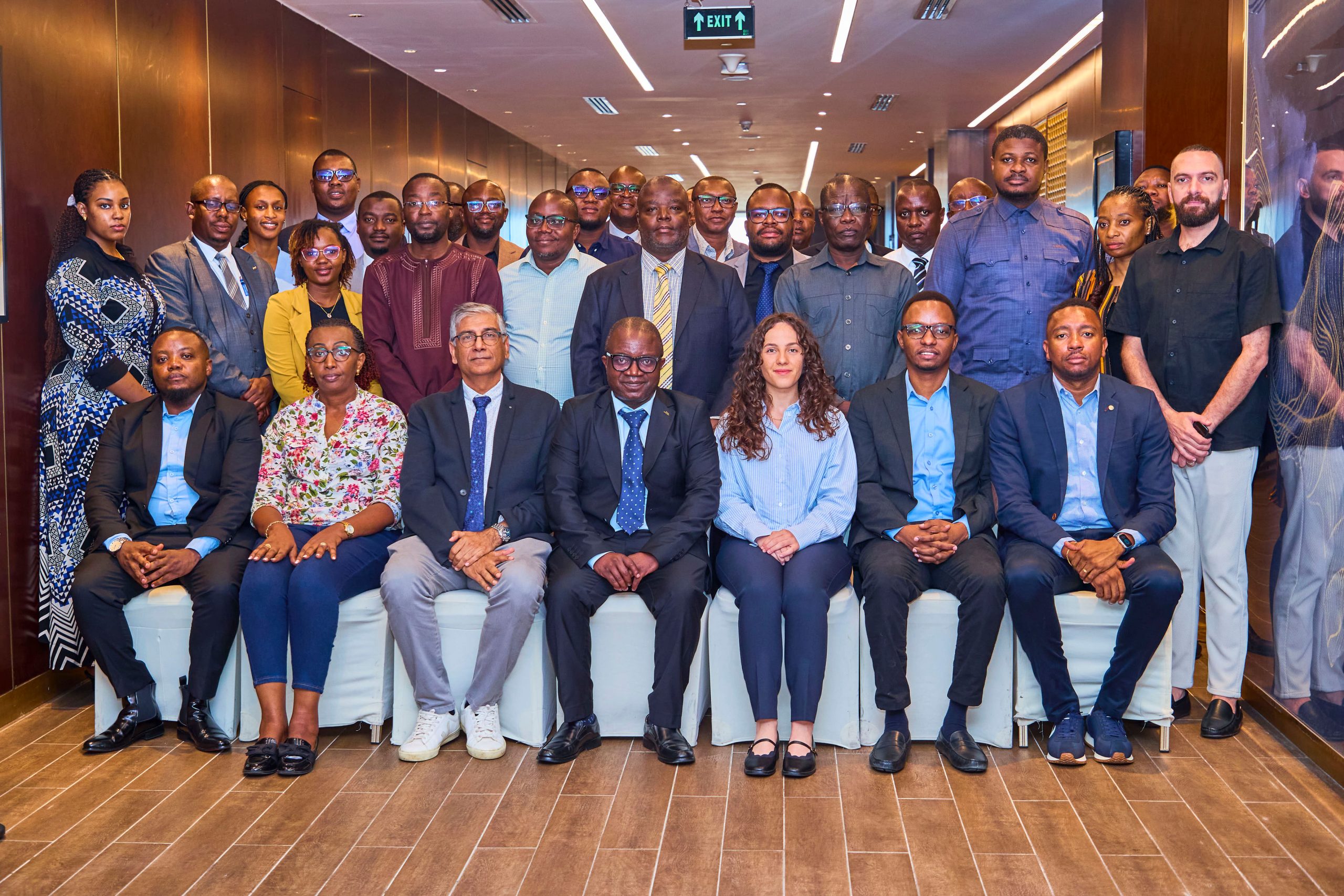
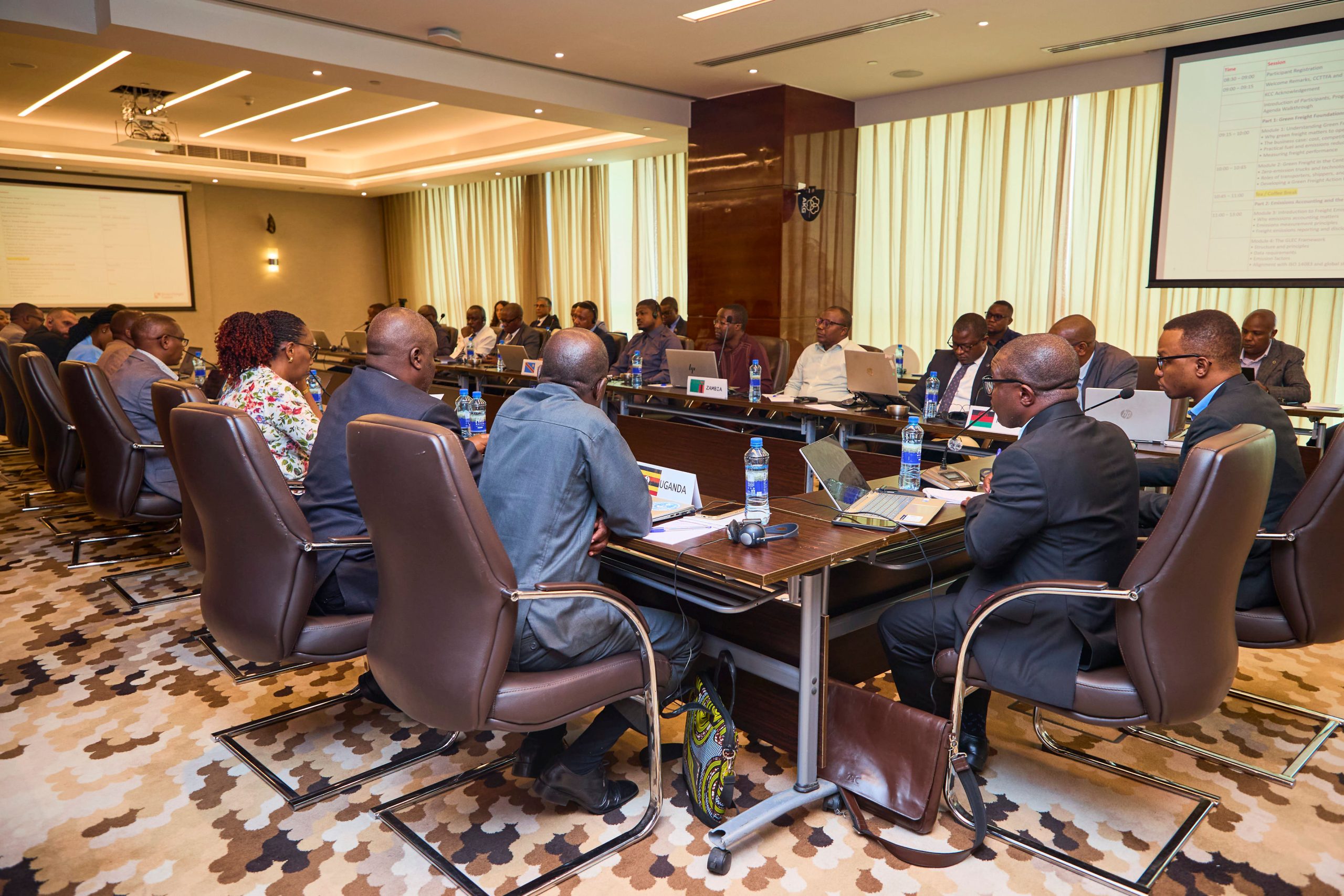
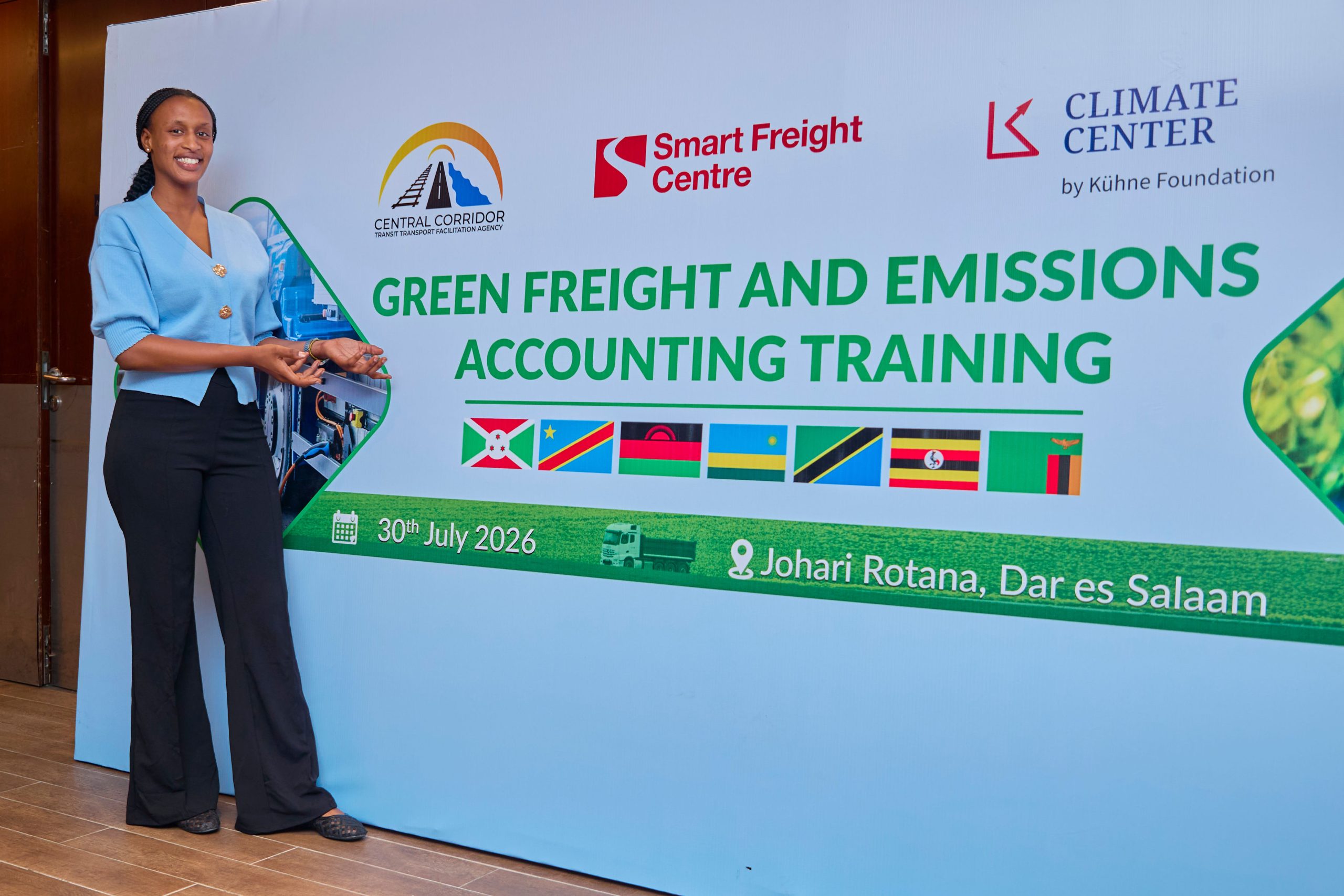
The Central Corridor Transit Transport Facilitation Agency (CCTTFA), in collaboration with the Smart Freight Centre (SFC) and the Kuehne Climate Center (KCC), successfully conducted a one-day Green Freight and Emissions Accounting Training on 30th July 2026 at the Johari Rotana Hotel in Dar es Salaam, bringing together policymakers, transport regulators, customs authorities, port operators, development partners, academia, and private sector stakeholders from across the Seven Central Corridor Member States.
The training forms part of CCTTFA’s broader commitment to supporting the transformation of the Central Corridor into a Green Economic Development Corridor (GEDC) by promoting sustainable freight transport, improving logistics efficiency, and strengthening the capacity of Member States to measure and manage freight transport emissions. The event also supports preparations for the development of the Central Corridor Emissions Index and future corridor-wide emissions accounting initiatives.
Opening the training on behalf of the Executive Secretary, Mr. Charles Mtonga, Director of Customs and Trade Facilitation, welcomed participants from the seven Central Corridor Member States and emphasized the importance of building technical capacity to address climate change within the transport sector. He noted that the increasing demand for efficient and sustainable freight transport requires reliable and standardized emissions data to support evidence-based policymaking and investment decisions.
Representatives from the Smart Freight Centre highlighted the global importance of Green Freight and introduced participants to the Global Logistics Emissions Council (GLEC) Framework, the internationally recognized methodology for measuring and reporting logistics greenhouse gas emissions in alignment with ISO 14083. The sessions focused on freight decarbonisation, emissions accounting methodologies, cleaner transport technologies, and practical approaches for improving logistics efficiency while reducing environmental impacts.
During the technical sessions, participants explored key topics including Green Freight principles, electric freight technologies, policy and regulatory frameworks, incentives for low-carbon transport, digital innovations, and strategies for reducing emissions through improved corridor performance. Interactive discussions addressed issues such as reducing delays at border posts, harmonising regional policies, improving charging infrastructure for electric trucks, and encouraging investment in sustainable freight solutions.
Participants were also provided with hands-on training on emissions accounting under the GLEC Framework. Participants learned practical approaches for calculating freight emissions, understanding emission factors, improving data quality, and applying internationally accepted methodologies to support regional emissions reporting and future decarbonisation planning. Discussions also highlighted the importance of collecting reliable operational and fuel consumption data to establish accurate emissions baselines across the Central Corridor.
An online evaluation conducted at the end of the workshop showed overwhelming appreciation for the training. Participants confirmed that the programme was highly relevant and recommended organising additional capacity-building sessions with expanded practical exercises. Future areas of focus proposed by participants included electric freight vehicle deployment, charging infrastructure, innovation ecosystems, national emissions data collection centres, and greater involvement of transport operators and drivers in Green Freight initiatives.
In his closing remarks, Mr. Charles Kainkwa of the Kuehne Climate Center reaffirmed KCC’s commitment to supporting the implementation of Green Freight initiatives across the Central Corridor, including the greening of dry ports, development of the Central Corridor emissions baseline, and regional data collection activities. He encouraged Member States to continue collaborating with CCTTFA, Smart Freight Centre, and KCC in implementing these initiatives.
Closing the training on behalf of the Executive Secretary, Mr. Charles Mtonga thanked the Smart Freight Centre and the Kuehne Climate Center for their technical and financial support. He noted that the knowledge gained during the training provides a strong foundation for implementing the Central Corridor emissions baseline study and advancing regional emissions accounting activities. He further emphasized that the collaboration among CCTTFA, SFC, and KCC demonstrates a shared commitment to transforming the Central Corridor into a greener, more efficient, and climate-resilient transport corridor aligned with international sustainability goals.