



The Central Corridor Transit Transport Facilitation Agency (CCTTFA) has marked a significant milestone in its mandate to enhance sustainable and efficient transport systems along the Central Corridor through the dissemination of the findings of the Study on the Transformation of the Railway Sector in Africa. The study represents a strategic contribution to regional efforts aimed at shifting freight traffic from road to rail, thereby improving efficiency, reducing costs, and supporting climate-resilient transport development.
With the support of the African Development Bank (AfDB), CCTTFA secured a grant of EUR 1.51 million from the Government of Spain in May 2024 to undertake this landmark strategic study. The objective was to identify the policy reforms, institutional measures, and priority investments required to unlock the potential of railways as a backbone for freight transport along Africa’s main regional corridors, including the Central Corridor.
To implement the study, CCTTFA contracted ALG Global Infrastructure Advisors, S.L.U., a Spanish firm with extensive expertise in transport infrastructure advisory services. The study was carried out in two main phases.
The first phase provided a comprehensive diagnostic of the African railway landscape, assessing the current state of rail infrastructure, performance levels, governance frameworks, and investment gaps. The analysis covered 15 African countries, including five Central Corridor Member States: the Democratic Republic of Congo, Burundi, Tanzania, Uganda, and Zambia. This phase highlighted persistent structural challenges, operational inefficiencies, and underinvestment, while also identifying significant opportunities for growth and regional connectivity through rail revitalization.
The second phase focused on in-depth field data collection and stakeholder engagement. In November 2024, experts from ALG conducted missions across the selected Central Corridor Member States, holding consultations with railway authorities, infrastructure managers, operators, freight forwarders, and road agencies. These interactions provided valuable insights into real operational constraints, demand patterns, and prospects for enhanced multimodal integration between rail, road, ports, and inland logistics hubs.
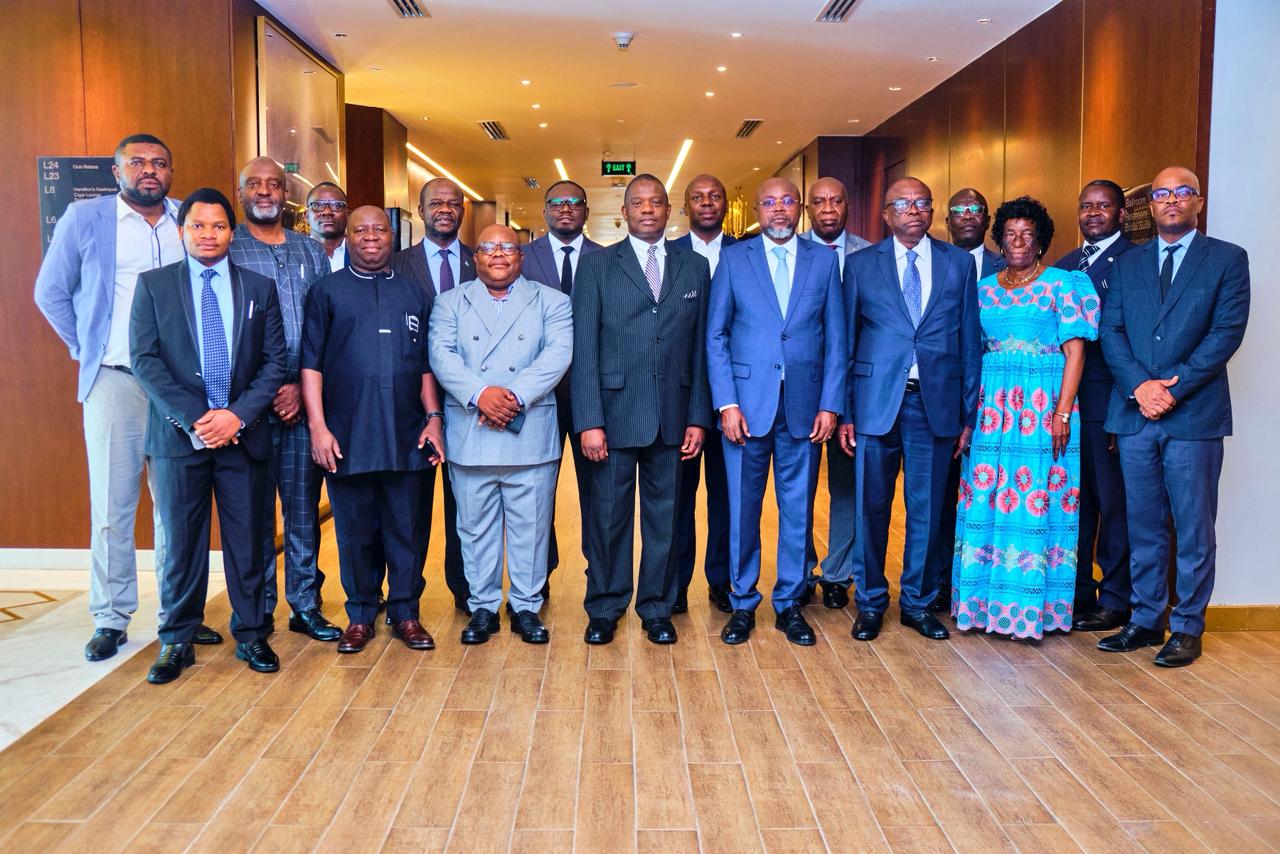
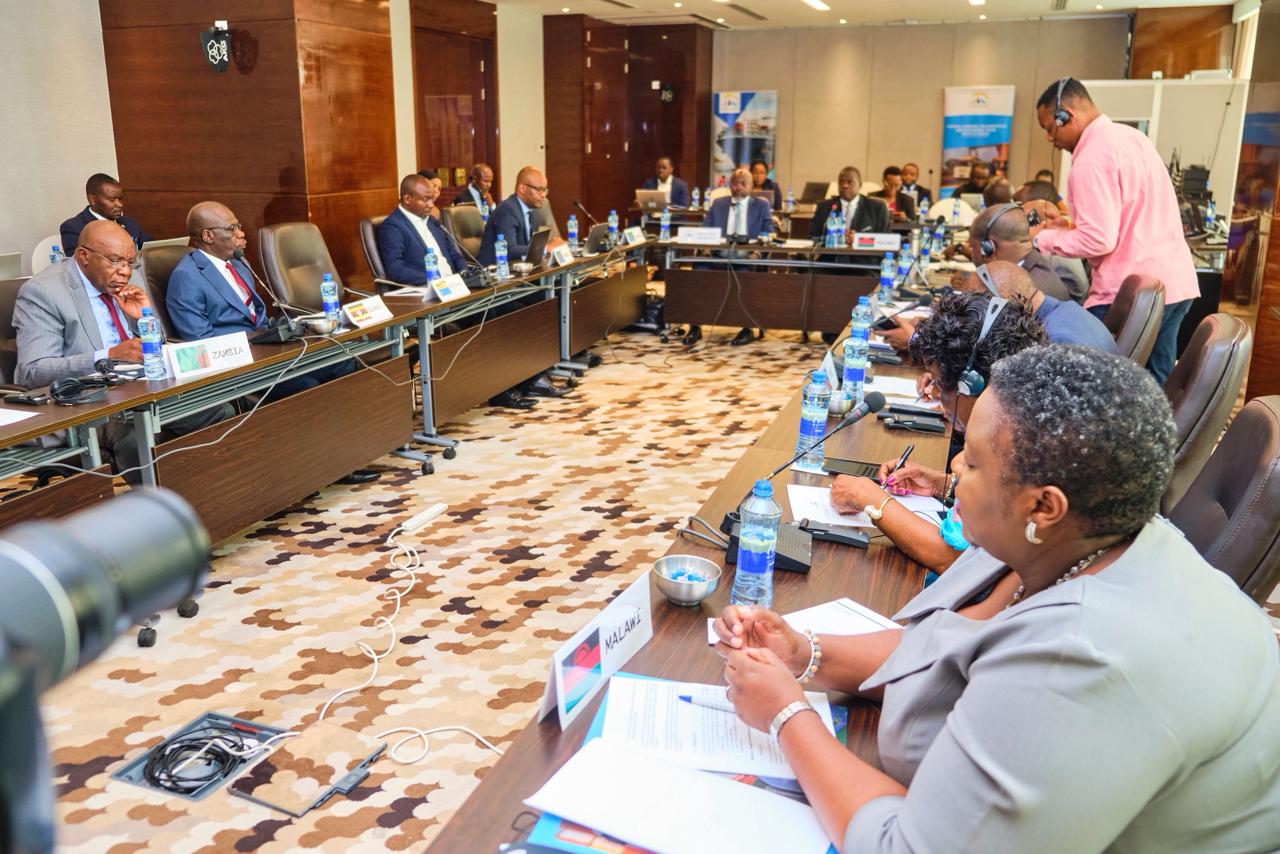
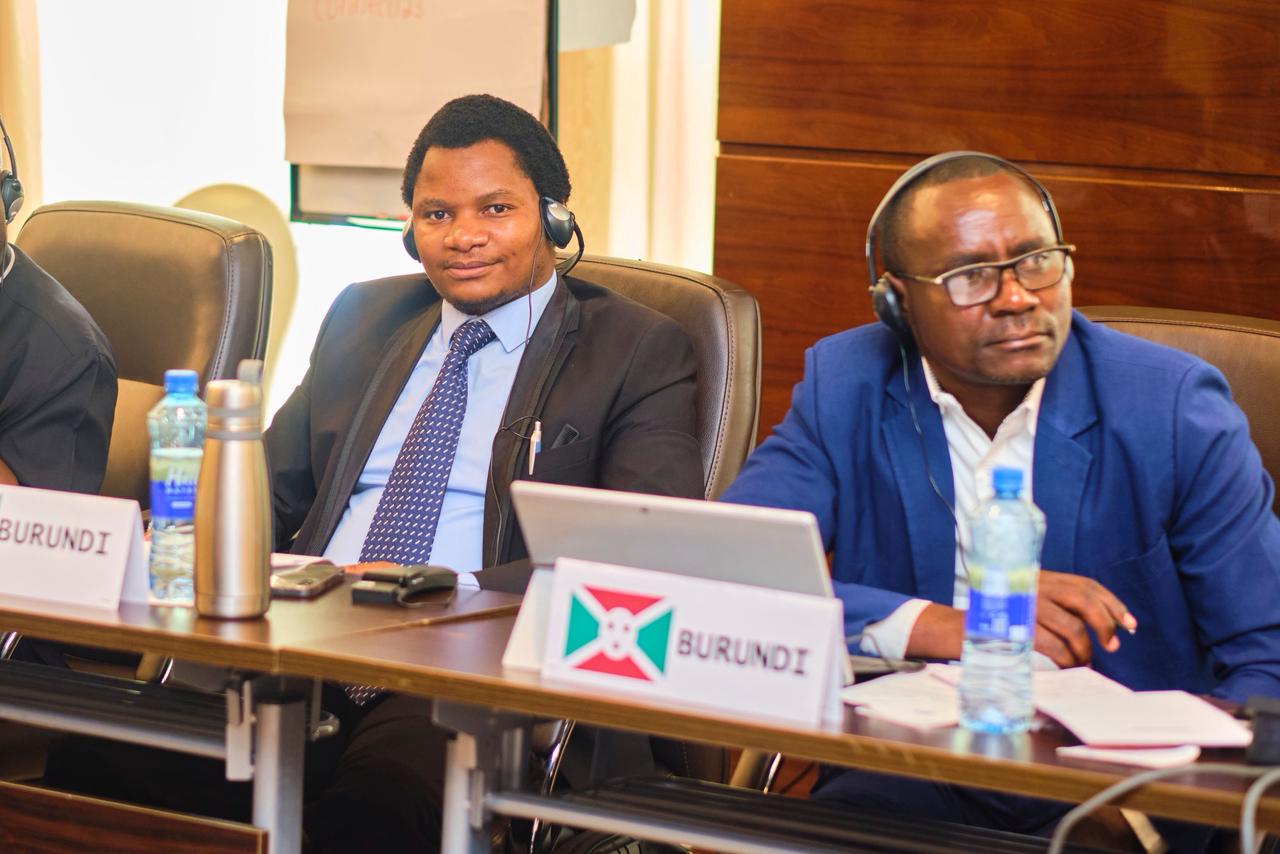
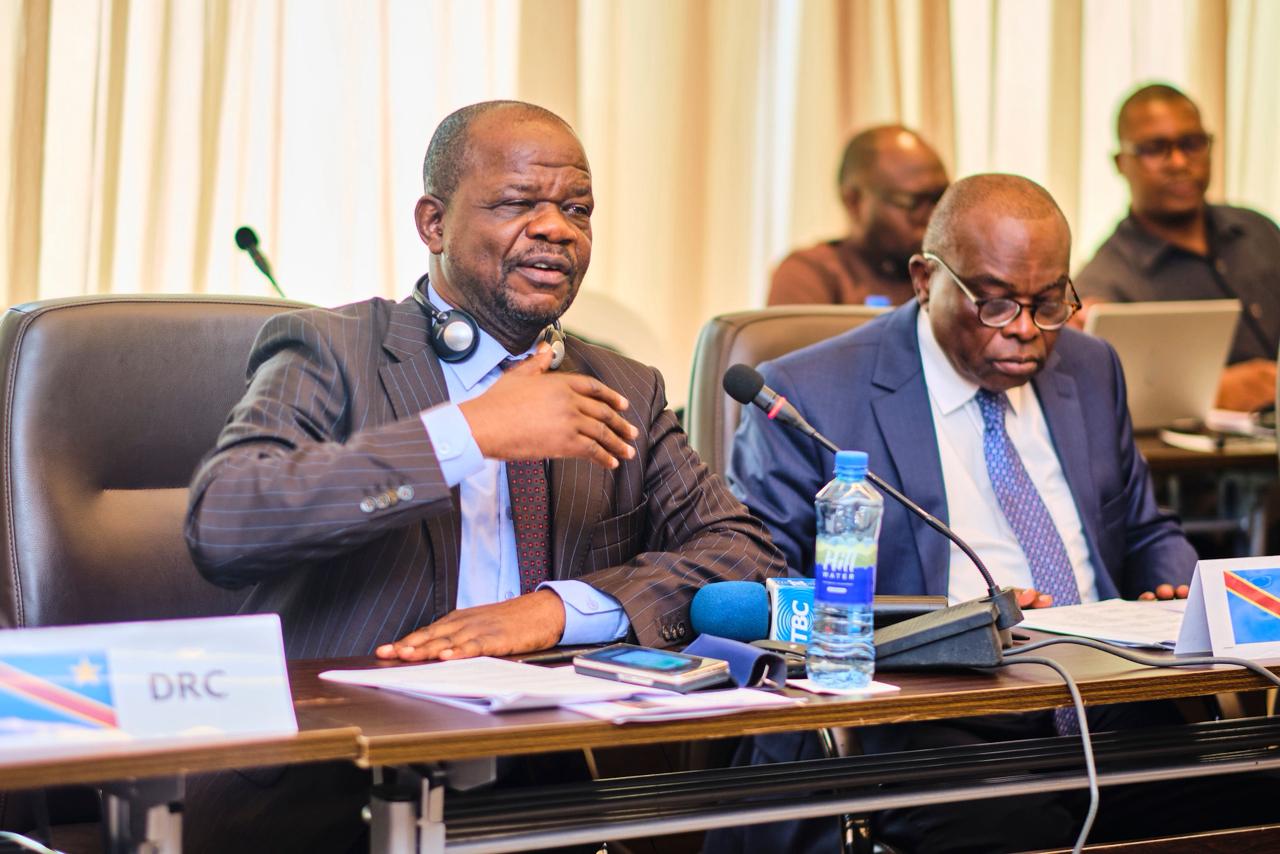
The outcomes of the study were officially presented and disseminated on 11 December 2025 in Dar es Salaam, on the sidelines of the Meeting of the Central Corridor Board of Directors. During this event, the consultant from ALG Global Infrastructure Advisors formally submitted the Final Report of the Study on the Transformation of the Railway Sector in Africa to the Member States of the Central Corridor.
Members of the Board of Directors and technical experts from the Member States commended the Secretariat of the Central Corridor for its sustained efforts in supporting countries in the rehabilitation, construction, and modernization of railway infrastructure. They expressed strong appreciation for the catalytic role played by CCTTFA in providing technical assistance, fostering regional coordination, and spearheading strategic initiatives that accelerate critical reforms in the rail sector.
In their view, the collaborative and results-oriented approach championed by the Central Corridor not only strengthens regional integration, but also serves as a key lever for enhancing logistics competitiveness, reducing transport costs, and promoting sustainable economic growth across Member States. The dissemination of this study is therefore seen as a decisive step towards repositioning rail transport as a central pillar of Africa’s regional trade and development agenda.