


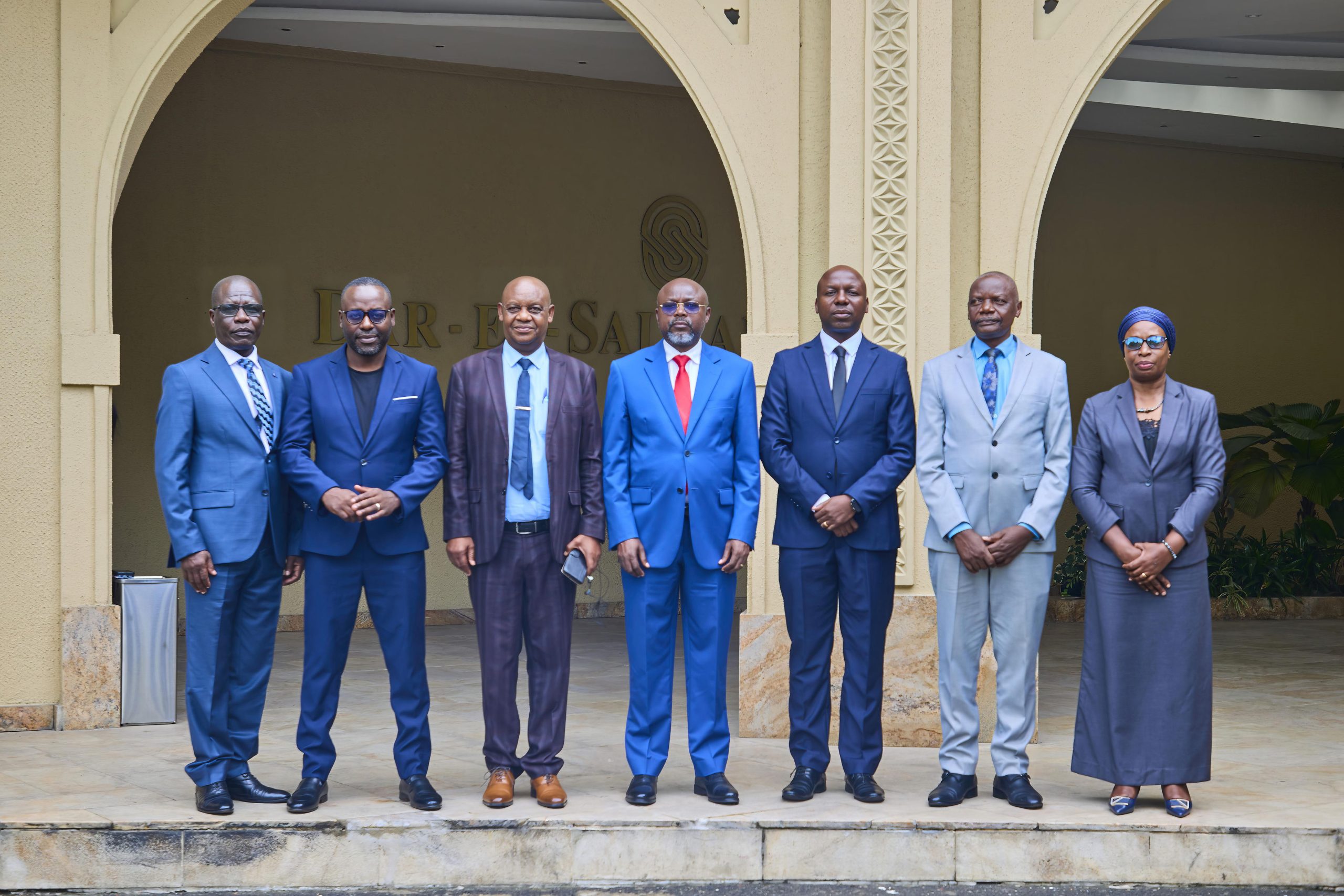
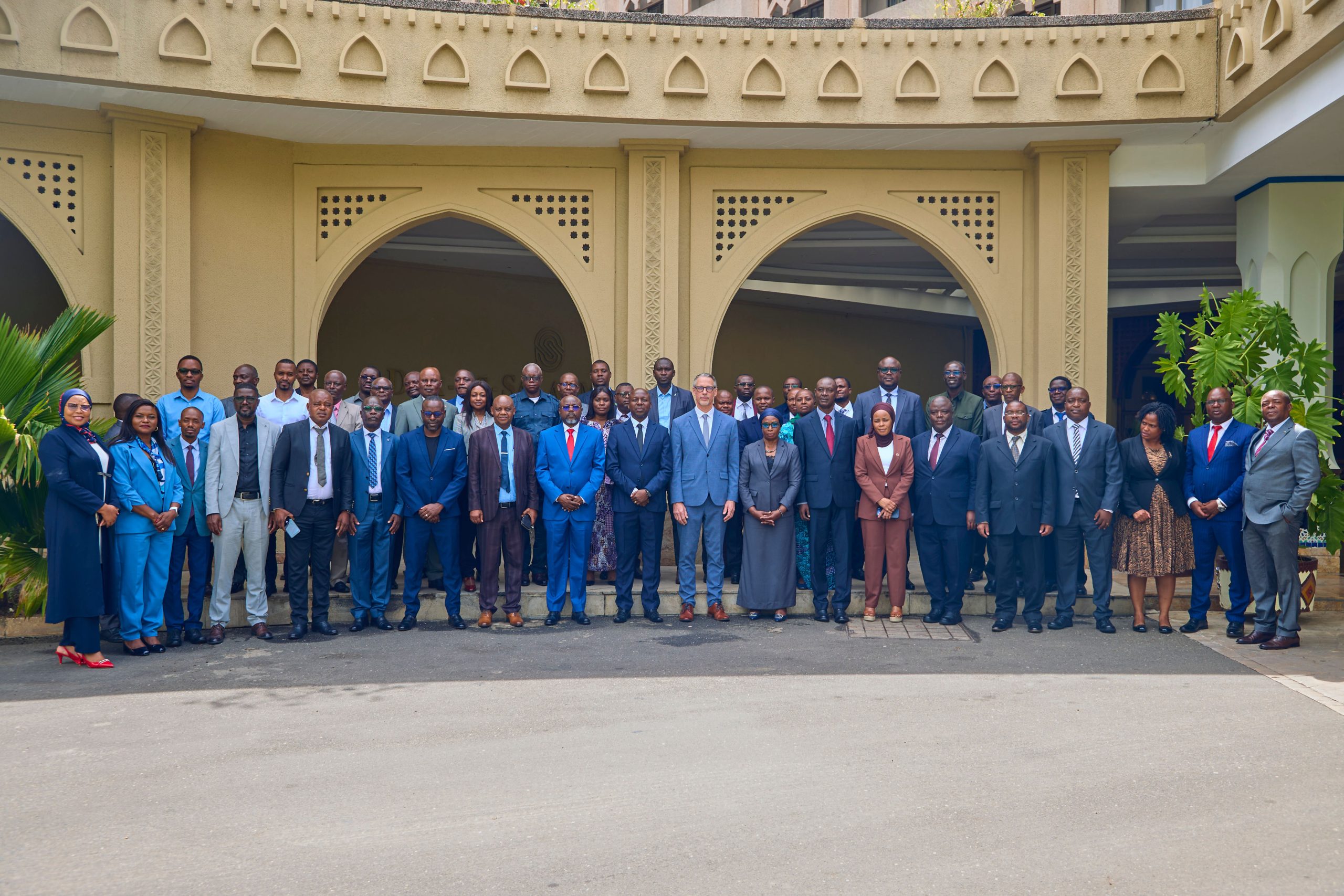
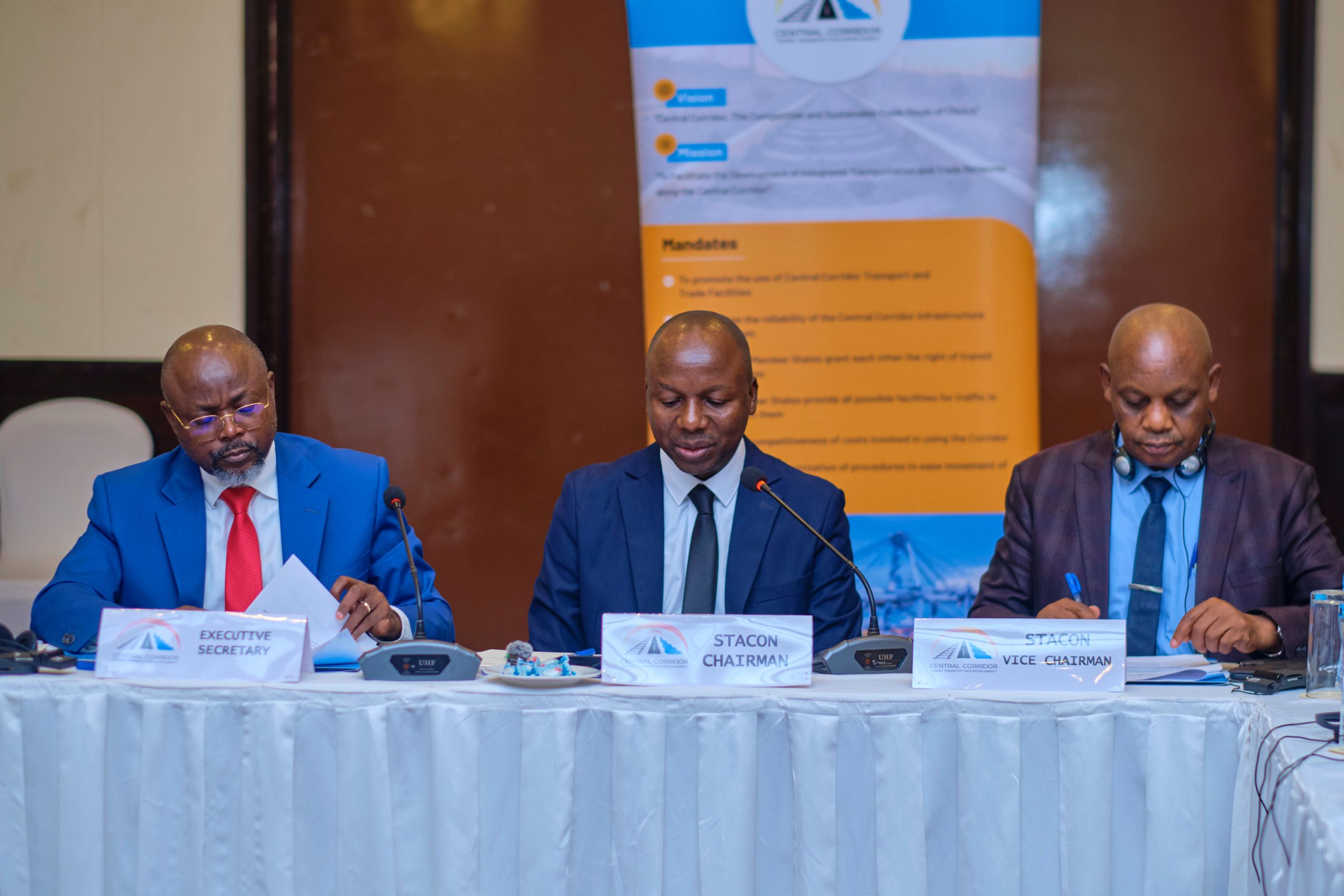
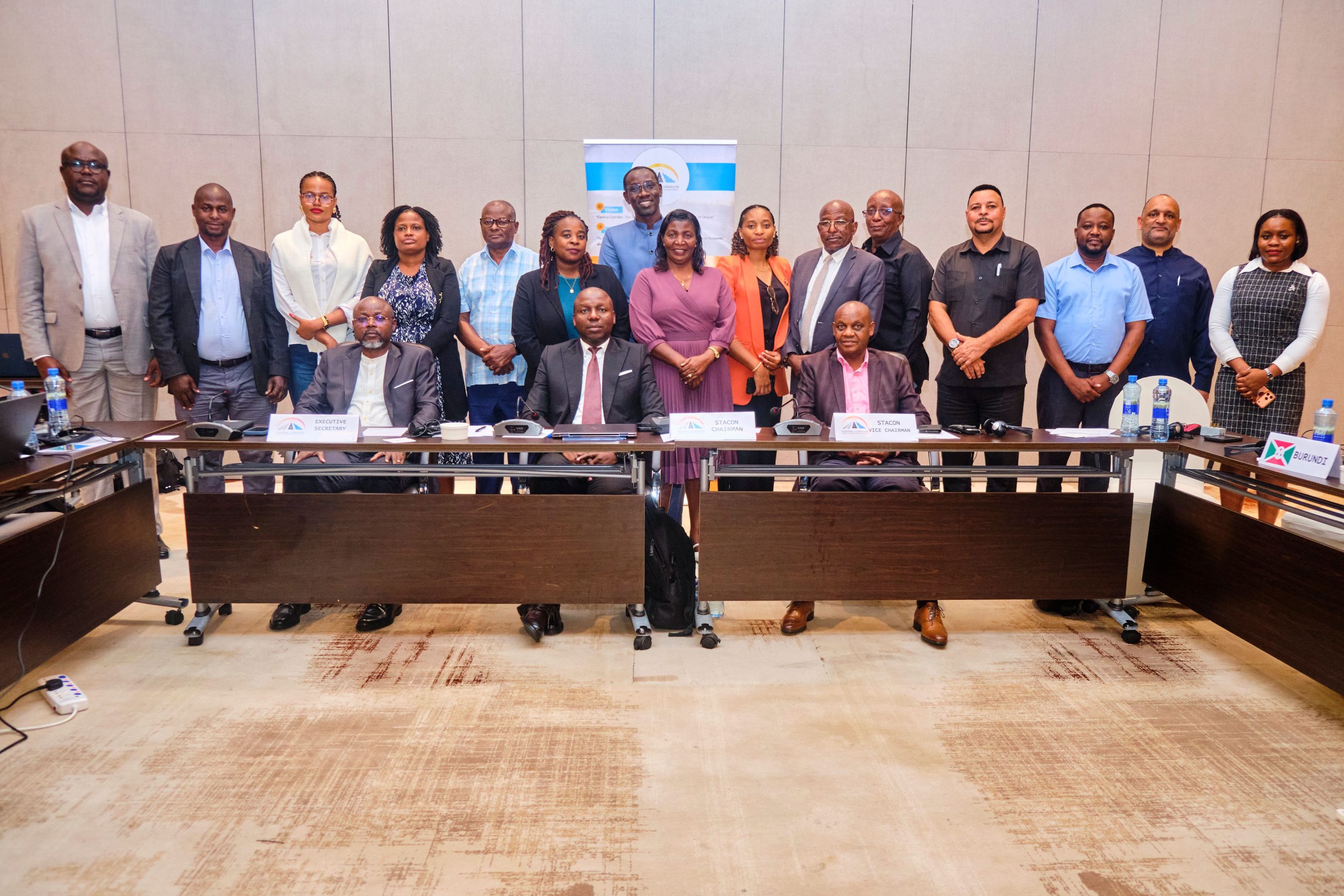
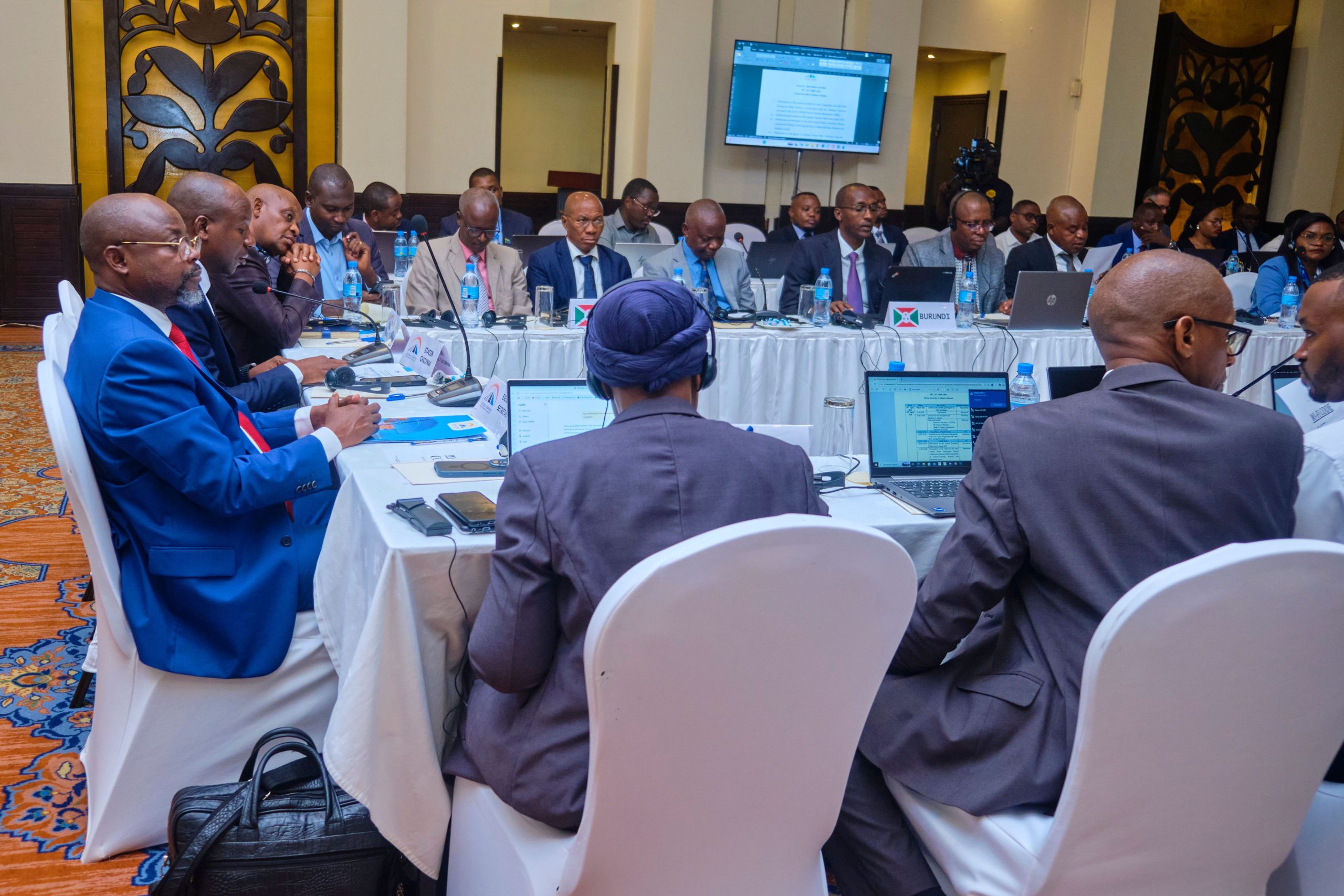
The Central Corridor successfully held the 2026 Stakeholders Consultative Committee (STACON) Meeting from 20–21 April 2026 in Dar es Salaam, United Republic of Tanzania. The high-level gathering brought together representatives from Member States, public and private sector institutions, development partners, and key corridor stakeholders to deliberate on strategic priorities aimed at enhancing transport and trade facilitation along the Corridor.
STACON remained an important consultative platform providing dialogue, technical guidance, and recommendations to support the efficiency, competitiveness, and sustainability of the Central Corridor, while advancing the broader regional integration agenda.
In his opening remarks, the Executive Secretary welcomed participants and highlighted the critical role of STACON as one of the governing organs of the Agency under Article 15 of the CCTTFA Agreement. He noted that the Committee serves as a strategic and technical advisory body whose recommendations guide decision-making by the Board of Directors and the Inter-State Council of Ministers.
During the two-day meeting, delegates considered several key agenda items:
- Annual Transport Observatory Report 2025;
- Joint Annual Route Assessment Survey conducted in February 2026 along the Dar es Salaam–Kabanga, Rusumo, and Mutukula routes;
- Railway Survey Data Collection Report along the TAZARA line (Dar es Salaam–Mbeya–Kapiri Mposhi) conducted in March 2026;
- Progress on the implementation of the CCTTFA Annual Work Plan for the Financial Year ending June 2026;
- Findings from technical studies on the Lake Tanganyika and Lake Kivu Navigation Safety Projects undertaken with the support of AUDA-NEPAD and GIZ.
The meeting also provided stakeholders with an opportunity to discuss and exchange views on ongoing regional initiatives focused on improving transport efficiency, multimodal connectivity, trade facilitation, and safety across the Corridor.
In addition, participants reviewed continental and regional programmes, including the African Development Bank-supported development of Guidelines for Dry Port Operations and Frameworks for Multimodal Transport Corridor Operations. Delegates also validated technical study findings on the Lake Tanganyika and Lake Kivu Navigation Safety Projects implemented through the AUDA-NEPAD Service Delivery Mechanism with support from GIZ.
The strong participation of Member States and partners reflected a shared commitment to building an integrated, resilient, and prosperous region through smarter transport systems and seamless trade facilitation.